For several years, I have photographed protests, particularly those in support of Palestine. This work has brought together my interest in photography and my belief in the importance of documenting people who take to the streets to demand change. Yet there came a period when I simply did not want to pick up a camera.
Looking back, I think I was mentally burned out. Perhaps I had become so emotionally attached to the reasons behind the protests that I was struggling to maintain the distance I needed. What gave the work its purpose may also have made it hard to keep going.
I cannot say that this explains everything. But it has made me reconsider a question that underlies every discussion of protest photography: how do we stay engaged enough to tell a meaningful story while protecting our own wellbeing?
The Emotional Weight Behind the Image
A protest photograph records something happening in front of the lens. It can also point towards something happening elsewhere: a loss, an injustice, a fear for people whose lives are beyond the frame.
At demonstrations in support of Palestine, the reasons people gather are inseparable from the photographs. Placards, expressions and gestures carry grief, anger, solidarity and hope. Understanding those emotions helps us recognise what matters in a scene. It also means that the work can reach us personally.
There is a difference between photographing a demonstration and experiencing the suffering that has brought people onto the streets. Acknowledging that difference matters. So does recognising that our own capacity to keep working has limits.
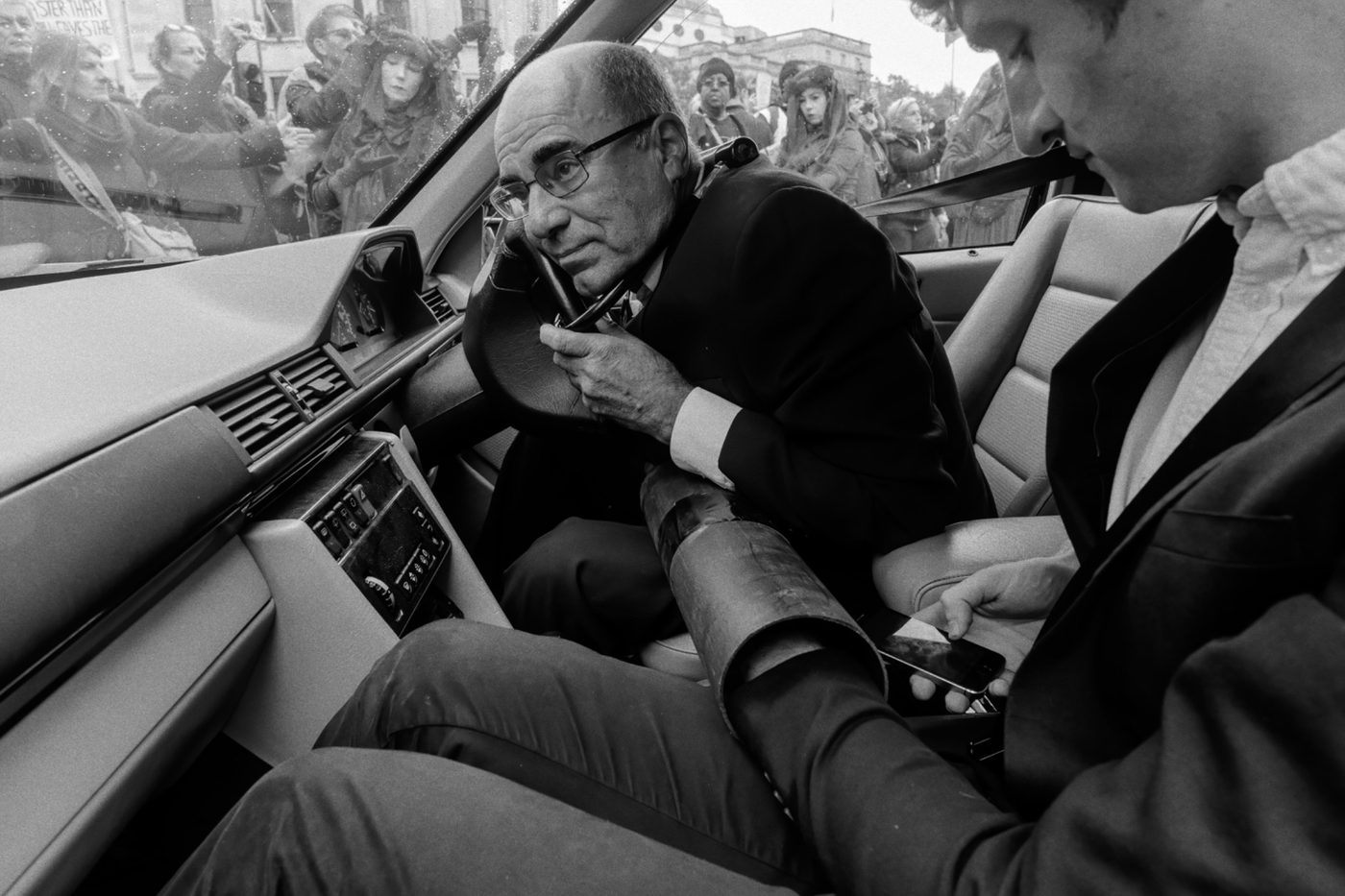
Finding Enough Distance to See Clearly
In an earlier post, I wrote about the blurred line between observer and engaged storyteller. My experience has made me think more carefully about what it takes to work along that line.
For me, staying detached means creating enough emotional space to observe, decide, and recognise when I need to stop. I can care about a cause without making myself responsible for its outcome. I can document a moment without feeling obliged to attend every demonstration that follows.
That distance also serves the photograph. Strong convictions can direct our attention, but they can narrow it too. We still need to notice what is actually happening, check context and captions, and treat the people we photograph as individuals. Their lives and experiences deserve more than images chosen simply to confirm what we already believe.
Compassion and clear judgement both belong in this work.
Staying Focused in the Moment
A practical photographic purpose can give a day some structure. What am I trying to document? What does this scene reveal? Have I captured its context as well as its emotion?
These questions bring attention back to the work in front of us. So does remaining aware of our surroundings, taking breaks and deciding in advance how long we intend to stay. No photograph removes the need to eat, rest or leave when we have reached our limit.
Concentration has its limits as well. Being absorbed in making pictures can carry us through an event without giving us much opportunity to notice how we feel. We need room afterward to acknowledge that response.
Knowing When to Put the Camera Down
For me, the clearest signal was losing the desire to take photographs. I do not want to turn that experience into a diagnosis, but I do want to take it seriously.
Stress can also affect sleep, concentration, mood, and relationships. If those changes persist or begin to interfere with everyday life, they deserve attention. We do not have to wait until we are in crisis to speak to someone or seek professional support.
Boundaries need to extend beyond the demonstration. Selecting and editing photographs means returning to the material, sometimes repeatedly. Ending an editing session, limiting exposure to surrounding news and social media, and making time away from the subject can help create space to recover.
Reporters Without Borders (RSF), in its guidance on self-care for journalists, highlights the importance of meaningful breaks, reconnecting with others, and seeking professional support when needed. These are useful practices to build into the work, rather than measures to consider only when continuing has become difficult.
Making Room for Photography Again
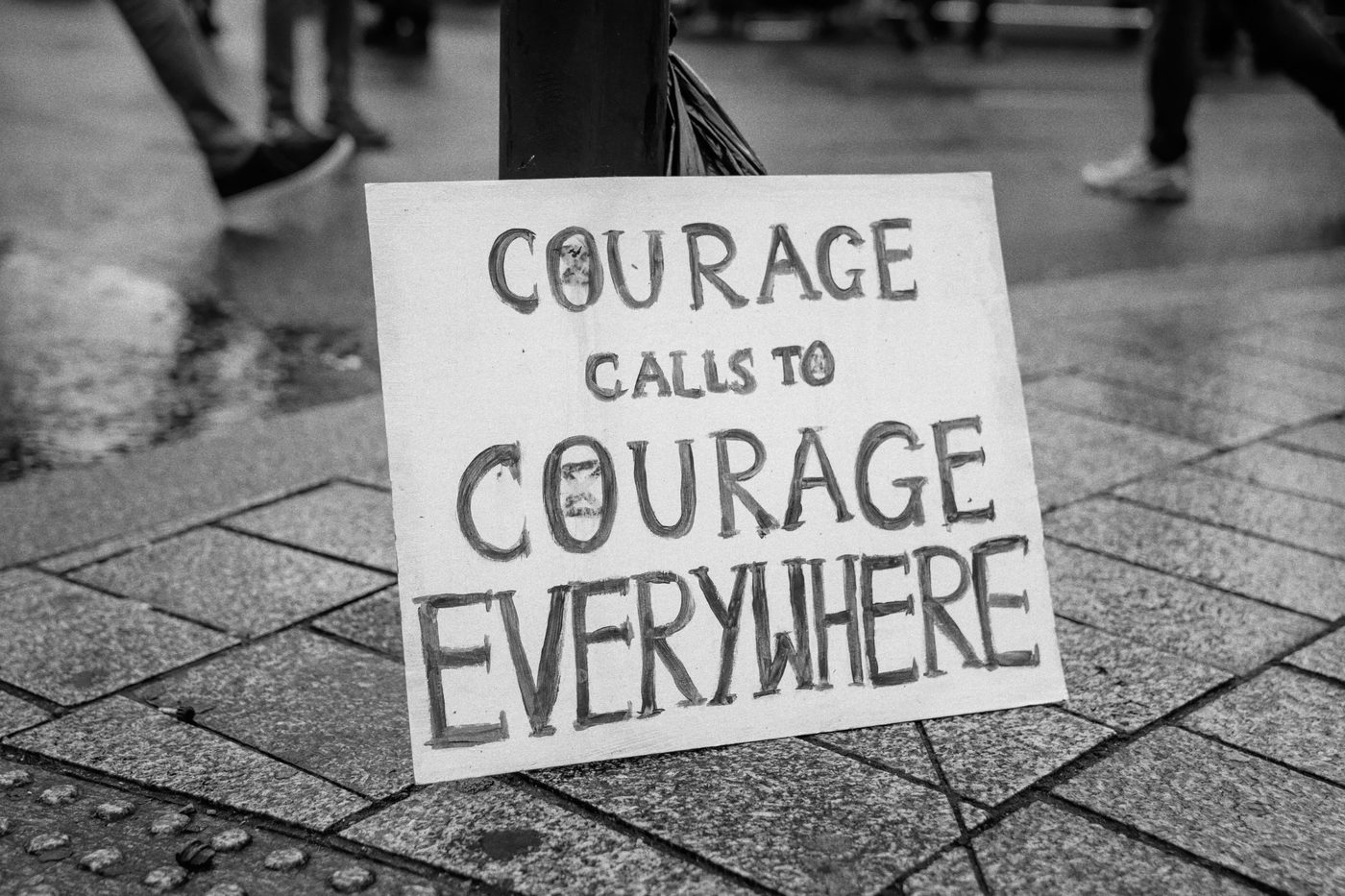
The prospect of returning to photography need not begin with another demanding event. It might begin with a walk, a familiar street or a picture made purely because something caught the eye. There need be no deadline, audience, or obligation to publish.
Equally, time away does not have to become a project with a fixed return date. Rest should not carry another demand to produce something.
Emotional boundaries cannot guarantee that we will avoid a mental health crisis. Struggling does not mean we have failed to remain sufficiently detached. Sometimes we need support beyond what changing our work habits can provide.
I still believe in the importance of protest photography. Reflecting on this period has made me think that caring for the person behind the camera belongs alongside caring about the story. I want to make photographs with attention, compassion, and honesty. That includes being honest about when I need to put the camera down.
Further reading: Reporters Without Borders: Self-care for journalists and NHS: Get help with stress. If you are struggling to cope, or the changes you have tried are not helping, speak to your GP or a qualified mental health professional.